Pre-Approval Is a Strategy Document, Not Just a Letter
By Charles Nguyen, DRE #01846114
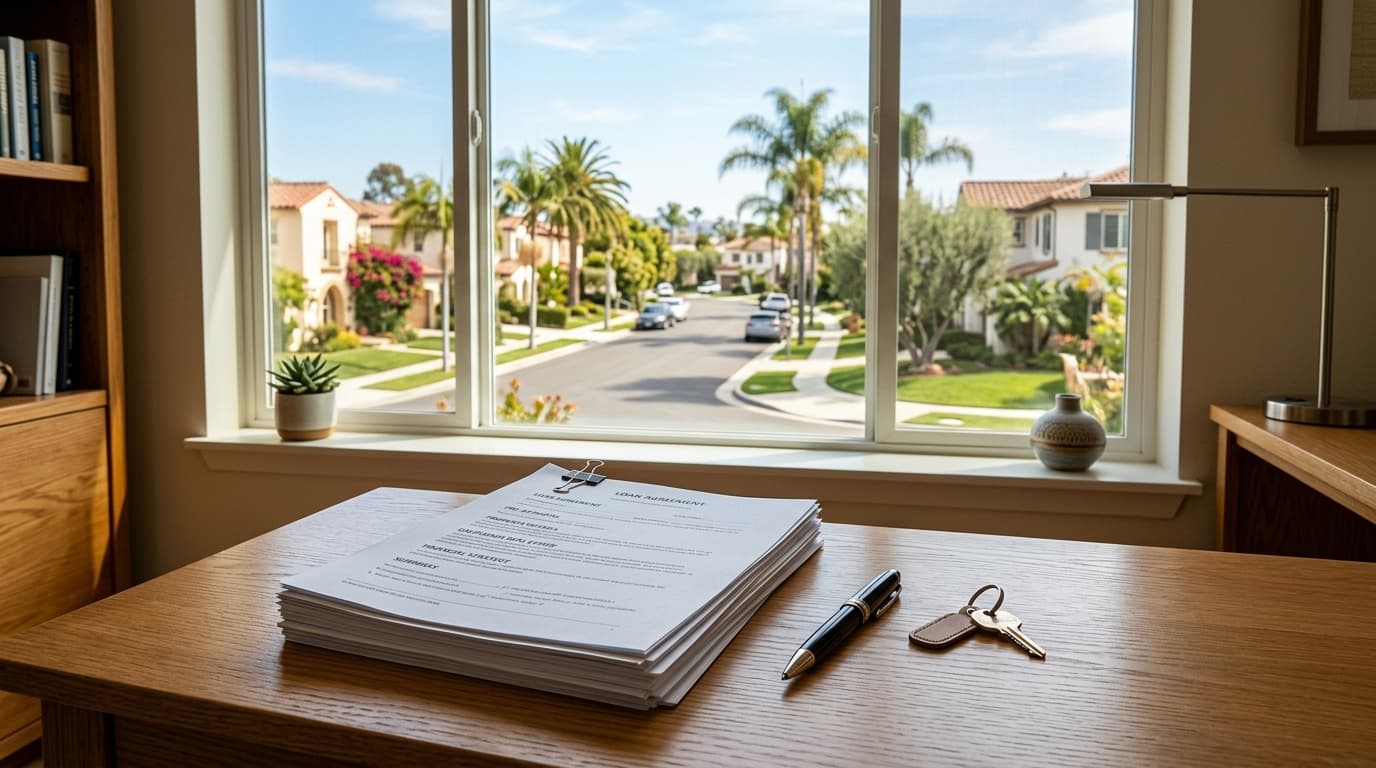
A pre-approval letter proves you can borrow. A real pre-approval tells you how to shop, offer, and negotiate. Here is the difference.
Most buyers treat the pre-approval letter like a ticket to get into the open house. It is more useful than that, if the work behind it is done properly.
Pre-Qualified Versus Pre-Approved
These terms get used loosely, so let me separate them.
A pre-qualification is usually a quick conversation or online form. You state your income and debts, and someone gives you a rough range. Nothing is verified.
A pre-approval involves documents. A lender reviews your income, assets, and credit, and issues a conditional commitment based on what they have actually seen. The more thoroughly that review is done, the more weight the letter carries when a seller reads it.
The strongest version is one where the file has been underwritten up front, not simply glanced at.
What the Letter Cannot Tell You
A letter shows a number. It does not tell you whether that number is a sensible place to land. That is where strategy comes in, and the questions below are the ones I want answered before you make an offer:
- What monthly payment fits your life, not just the lender's ratio?
- How much do you want left in savings after closing?
- Which loan structure matches how long you plan to stay?
- Where could your file raise questions during underwriting?
A letter that says you can borrow a particular amount is not advice about whether you should.
Reading Your File Like an Underwriter
Underwriters look for consistency. Large unexplained deposits, recent new credit accounts, job changes, and gaps in documentation can all slow a file or change the outcome. The earlier you find these, the more room you have to document or fix them.
Our KC Mortgage Desk is an in-house wholesale lending operation, and it pre-underwrites tax returns, bank statements, and appraisal tolerances before you go under contract. That means the file you present with an offer has already been tested against real guidelines. It is not a guess.
Appraisal tolerance deserves a mention. If you offer above what the property may appraise for, you need a plan for the gap. Knowing your tolerance beforehand tells you how much flexibility you have to negotiate.
Using Pre-Approval in Negotiation
A well-built pre-approval can influence what a seller thinks about your offer. When a listing agent sees that the file has been reviewed in depth and the lender and escrow are coordinated, the offer reads as lower risk.
Here is how I use it in practice:
- Set the ceiling. Decide your comfortable maximum before emotion enters the room.
- Shape the terms. Use the strength of your file to propose a timeline or contingency structure that works for you.
- Anticipate objections. If the property is in an area where values are tricky, we plan the appraisal conversation ahead of time.
- Protect your reserves. We build in cash for closing costs, taxes (California property tax runs roughly 1.1% of purchase price), and the first months of ownership.
Keeping the Approval Intact
Once you have a pre-approval, protect it. Do not open new credit lines, move large sums between accounts without documenting them, or change jobs without telling your lender. Small changes can matter, and surprises are the thing underwriters like least.
Because the lending desk, the escrow team, and I work together, any change gets communicated quickly. Our Socal Trusted Escrow coordination is built for closings of roughly 14 to 21 days, versus 30 to 45 days that is common with outside escrow companies, but that only works when the file is clean from the start.
Next Step
If you want a clearer picture of your range before talking to a lender, try the KC Mortgage Estimation Engine. Use it to test scenarios, then bring your numbers to a conversation so we can turn them into a pre-approval that actually works as a plan.
This article is for educational purposes only and is not legal, tax, or lending advice. Please consult a CPA, attorney, or licensed lender about your situation. Rates, programs, and guidelines change, so verify current details before you act.
Charles Nguyen, Licensed Broker, DRE #01846114
- #mortgage pre-approval
- #orange county
- #home buying strategy
- #kc mortgage desk
- #underwriting
- #offer strategy
Educational content only, not individualized legal, tax, or lending advice. Discuss your property and timing with a licensed professional.
KC Mortgage Estimation Engine