Due Diligence and Lease Verification in Commercial Assets
By Charles Nguyen, DRE #01846114
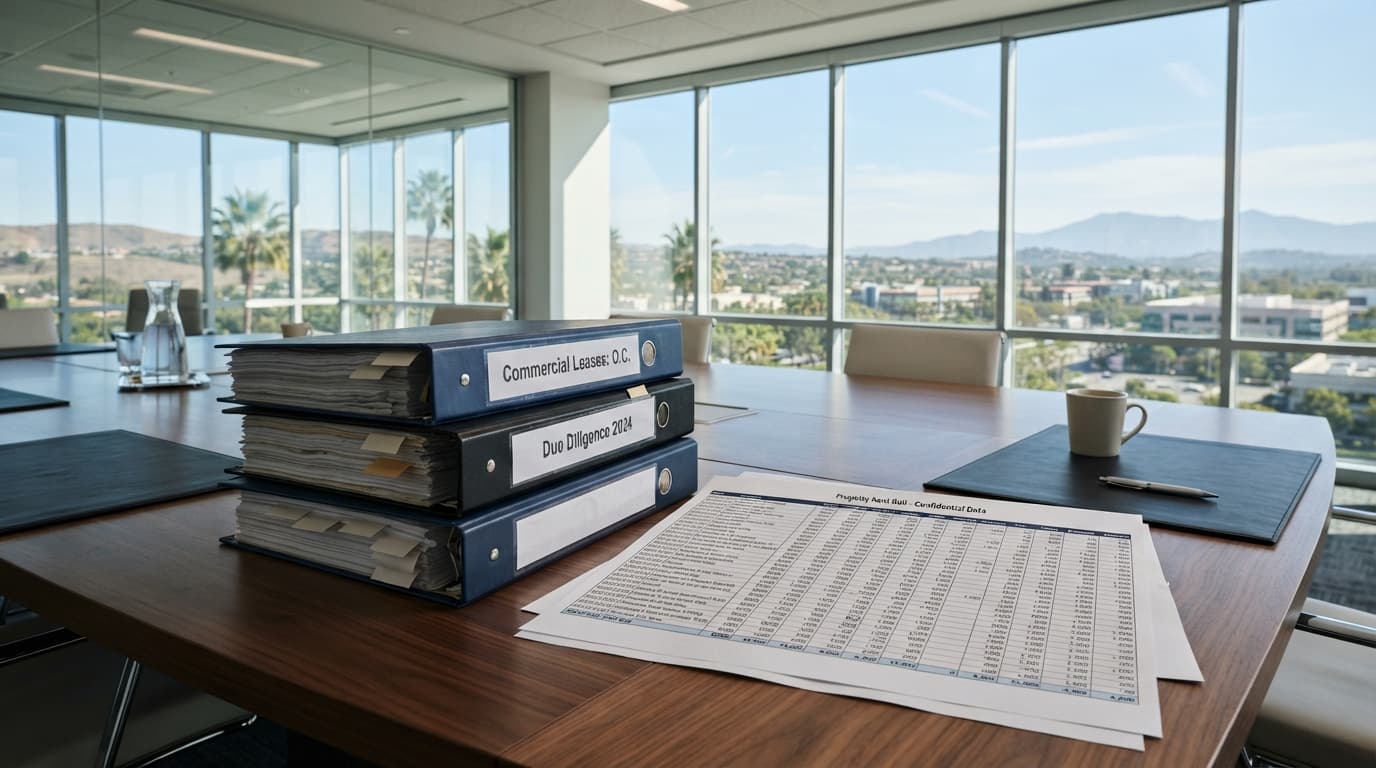
In a commercial deal, the leases are the asset. Here is how I verify them, from estoppels to rent rolls, before a buyer's deposit goes hard.
When you buy a commercial property, you are buying the right to collect on the leases. If the leases are not what the seller says they are, the price you agreed to is wrong. That is why due diligence is not paperwork for its own sake.
Begin With the Rent Roll, Then Test It
The rent roll is the seller's summary of tenants, spaces, rents, and lease dates. Treat it as a claim that has to be checked. Every line on it should trace back to a signed lease and to money actually received.
Compare the rent roll against three sources:
- The leases and every amendment. Side letters and amendments are where the surprises live, such as rent concessions, free rent periods, or early termination rights.
- Bank deposits. Does the money arriving match the rents shown?
- Tenant ledgers. Are any tenants behind, and is the seller counting rent that is owed instead of rent that is paid?
If the documents and the summary disagree, stop and get an explanation in writing.
Use Estoppel Certificates
An estoppel certificate is a signed statement from a tenant confirming key facts about their lease, such as the rent, the term, any deposits, and whether there are disputes or unresolved defaults. It gives you the tenant's version, which is useful because it may differ from the seller's.
Build time into your schedule to collect them. Tenants may be slow to respond, and you should confirm what your purchase contract requires and whether estoppels are a condition of closing. Your attorney can advise on the wording.
Read the Parts People Skip
When I review leases with clients, these provisions get extra attention:
- Term and renewal options, including how renewal rent is set.
- Termination rights, especially anything a tenant can exercise without cause.
- Exclusive-use clauses that might restrict what you can lease to other tenants.
- Expense reimbursements, which decide how much of the operating cost the tenant carries.
- Assignment and subletting rules.
- Who owns what improvements and what happens when the lease ends.
An attorney should review the leases for legal effect. My role is to help you spot where the business risk sits so you know which questions to bring to them.
Verify the Property Itself
Leases tell you about income. The physical review tells you about cost. Inspect the roof, parking areas, drainage, and shared systems. Check permits and any open code issues with the city. Ask about environmental concerns that are relevant to the property's past use, and order the reports your lender and advisors recommend.
Then revisit the numbers. California property tax is commonly figured near 1.1% of the purchase price, so rebuild the tax line for your own price and verify it for the parcel. If repairs or taxes reduce the income, your offer price should move too.
Keep the Timeline Under Control
Due diligence periods are finite, and a slow escrow or a late lender response can squeeze them. KC Investment Corp structures commercial acquisitions with these deadlines in mind. Our in-house KC Mortgage Desk can pre-review tax returns, bank statements, and appraisal tolerances before you are under contract, and Socal Trusted Escrow works alongside the brokerage to coordinate toward a 14 to 21 day closing instead of the 30 to 45 days common with outside escrow companies. That is a target that depends on the file and the other parties, not a promise.
A Few Rules I Follow
- Do not release deposits or remove contingencies until the documents agree with the story.
- Put every request in writing and keep a log of what was sent and received.
- If the seller delays documents, ask for an extension in the contract rather than accepting the gap.
Next Step
For a checklist you can use on your next commercial deal, use the Download 2026 Playbook button on this page. It organizes the lease and property review into steps you can hand to your attorney and CPA.
Educational information only; not legal, tax, or lending advice. Consult a CPA, attorney, or lender about your situation. Rates, programs, and rules change.
Charles Nguyen, Licensed Broker, DRE #01846114
- #due diligence
- #lease verification
- #commercial real estate
- #estoppel certificate
- #orange county
- #rent roll
- #kc investment corp
Educational content only, not individualized legal, tax, or lending advice. Discuss your property and timing with a licensed professional, or see how Charles can help.
Download 2026 Playbook